

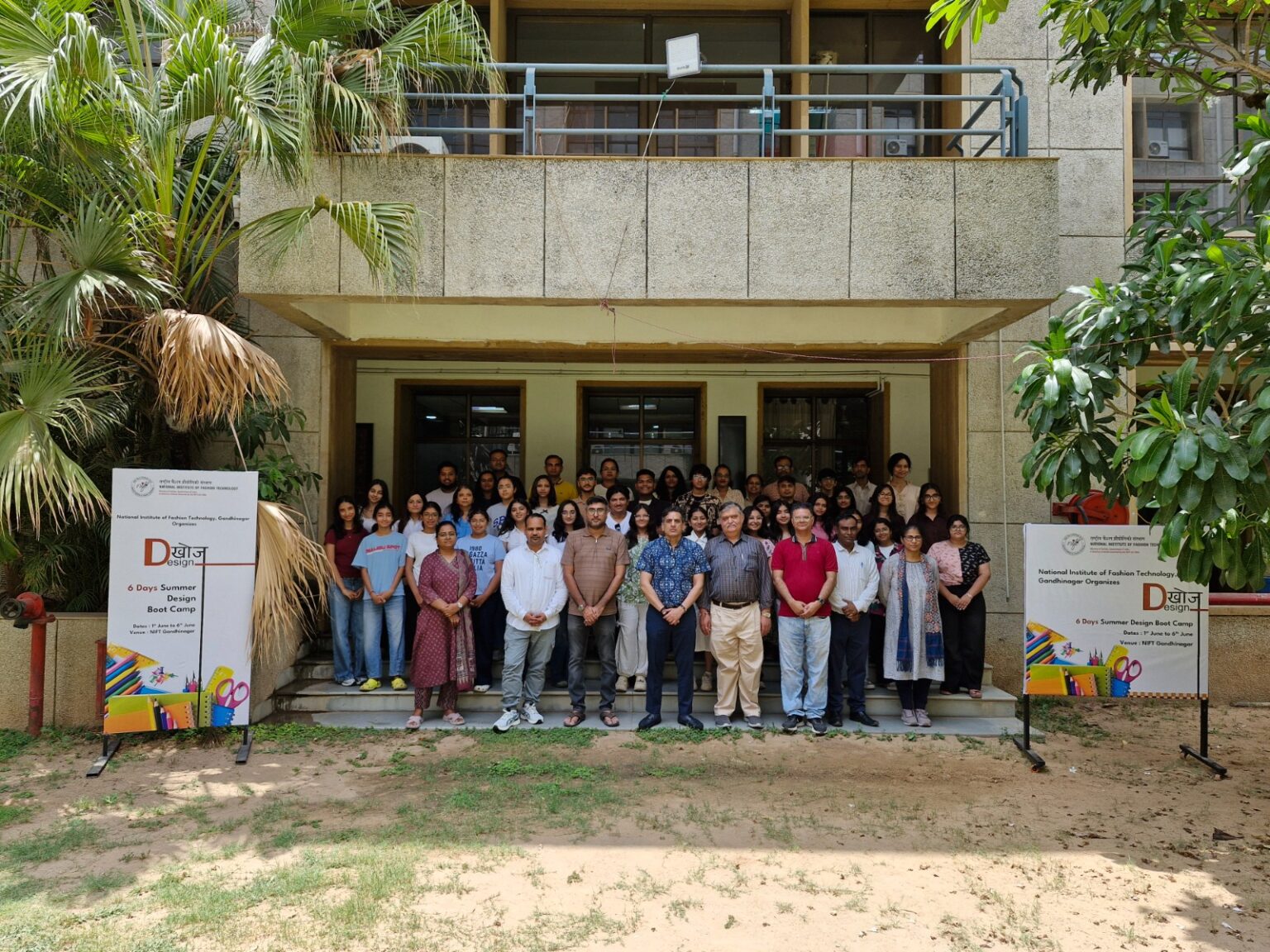
Gandhinagar: NIFT Gandhinagar successfully organized D–Khoj, an immersive Summer Design Boot Camp designed to introduce aspiring students to the dynamic world of design education, innovation, and creative problem-solving. The programme witnessed enthusiastic participation from more than 35 students representing Gujarat, Maharashtra, Rajasthan, Odisha, and Madhya Pradesh, highlighting the growing interest among young learners in design-led careers and interdisciplinary learning.
Conducted under the leadership of Dr. Sameer Sood, Director, NIFT Gandhinagar, the initiative offered participants a unique opportunity to experience the creative, collaborative, and future-focused environment that defines contemporary design education.
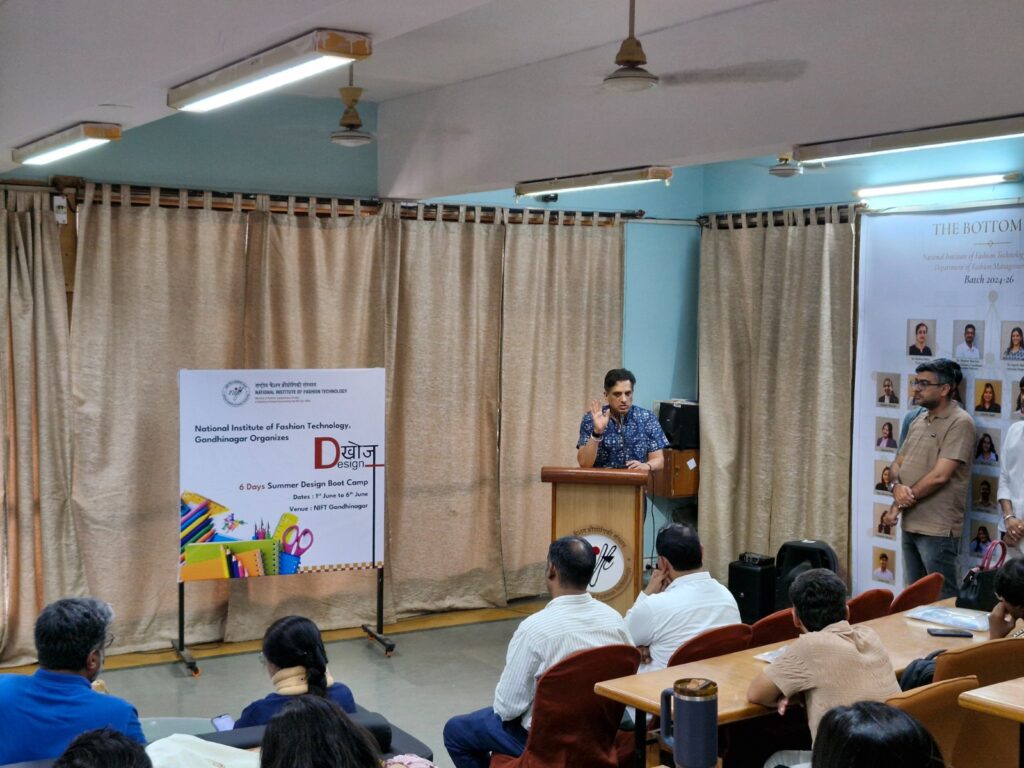
Speaking about the significance of the programme, Dr. Sood emphasized that design education today extends far beyond traditional career pathways. He noted that it plays a crucial role in nurturing future-ready thinkers, innovators, and problem-solvers capable of addressing complex social, technological, and global challenges through creativity and human-centered approaches.
At NIFT Gandhinagar, design is viewed not merely as a profession but as a powerful way of observing, understanding, creating, and responding to real-world needs. Conceived as a transformative learning experience, D–Khoj enabled participants to move beyond curiosity and gain first-hand exposure to the vibrant ecosystem of professional design education.
The boot camp provided students with an immersive studio-based environment where they engaged in hands-on activities, design exploration exercises, and faculty-led mentorship sessions. Participants experienced the complete design process—from ideation and conceptualization to experimentation, prototyping, and presentation—allowing them to understand how innovative ideas are translated into impactful solutions.
Through interactive workshops and experiential learning modules, students developed essential skills such as observation, critical thinking, collaboration, communication, and creative expression. The programme also introduced participants to the interdisciplinary nature of modern design practice and the diverse opportunities available across the design and creative industries.
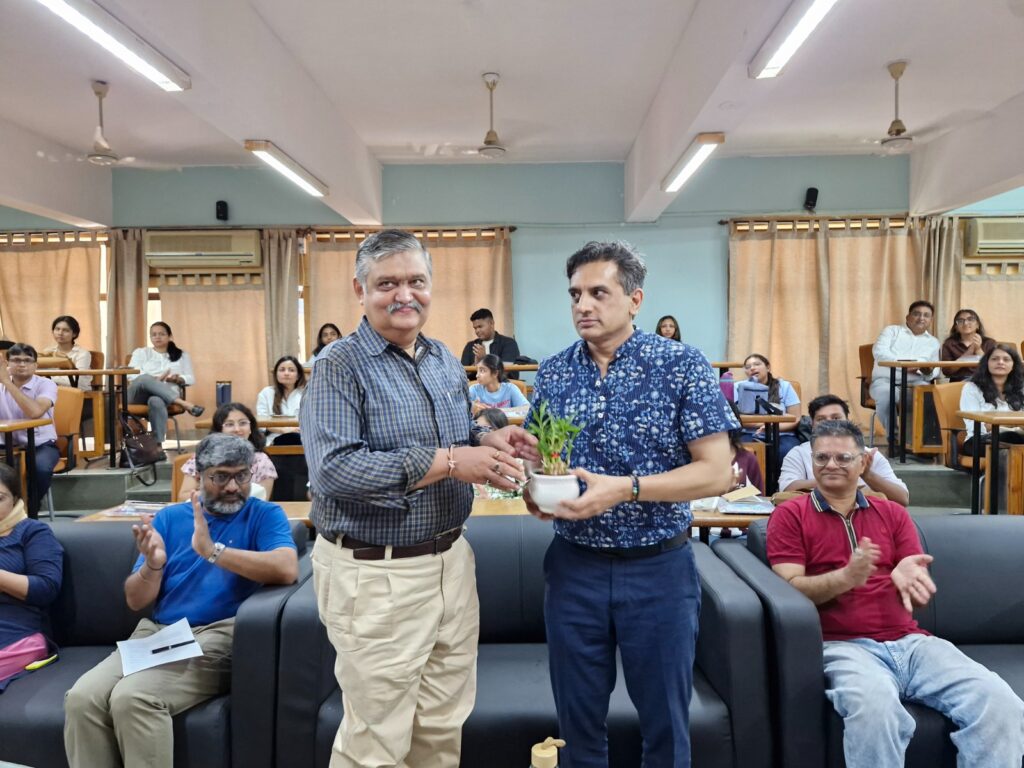
Students interacted closely with experienced faculty members and gained valuable insights into the culture of innovation, inquiry, and creativity that forms the foundation of the NIFT learning ecosystem. The exposure helped participants better understand how design thinking can be applied to solve real-world problems across products, services, systems, and experiences.
The successful participation of students from multiple states further reinforced NIFT Gandhinagar’s growing reputation as a leading centre for design education and talent development in western India. Initiatives such as D–Khoj play a vital role in nurturing the next generation of designers, innovators, and creative leaders by providing early exposure to design thinking, studio-based learning, and the transformative potential of design in shaping the future.
As design continues to emerge as a key driver of innovation across industries, programmes like D–Khoj are helping young minds discover new possibilities, develop creative confidence, and prepare for meaningful careers in the rapidly evolving creative economy.