

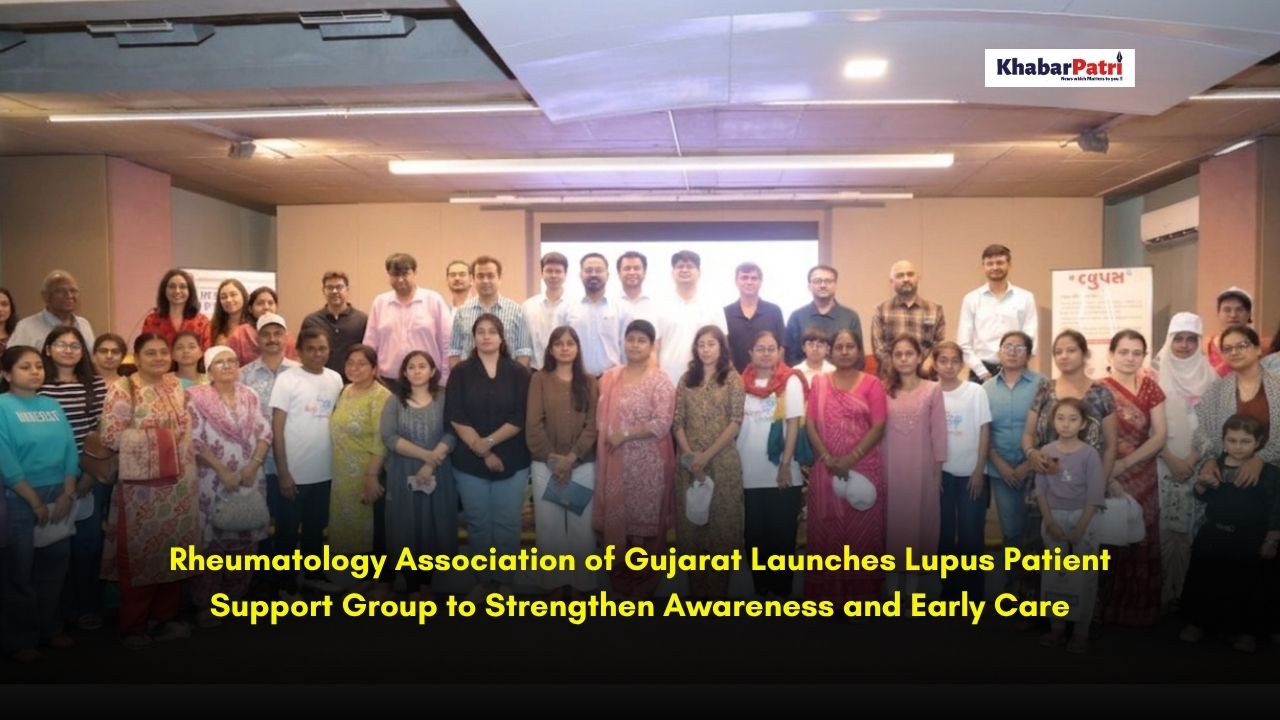
Ahmedabad : The Rheumatology Association of Gujarat (RAG), with support from Antardhwani, has launched a dedicated Lupus Patient Support Group in Ahmedabad to strengthen awareness, improve early diagnosis, and provide long-term support for individuals living with lupus and other autoimmune conditions.
The initiative reflects a growing emphasis on patient-centric healthcare and community-led disease management. Around 150 participants attended the programme, which featured interactive sessions with rheumatology experts focusing on lupus symptoms, diagnosis, treatment options, lifestyle management, women’s health, and pregnancy-related concerns.
The support group aims to create a structured platform for patients, caregivers, and healthcare professionals to exchange reliable medical information, emotional support, and practical guidance for managing the disease effectively. Lupus is a chronic autoimmune disease in which the body’s immune system mistakenly attacks healthy tissues, leading to inflammation and potential damage to multiple organs, including the skin, joints, kidneys, heart, lungs, and brain.
Speaking on the occasion, Dr. Reena Sharma, President, Rheumatology Association of Gujarat, said, “Awareness remains our strongest tool in combating lupus. Many patients continue to experience delayed diagnosis due to limited understanding of the disease and its early symptoms. Initiatives like this support group can help bridge that gap, encourage timely medical intervention, and improve patient outcomes.”
Common symptoms of lupus include persistent fatigue, joint pain, butterfly-shaped facial rash, photosensitivity, and Raynaud’s phenomenon, which causes colour changes in fingers and toes due to reduced blood circulation. Medical experts highlighted that nearly 90 per cent of lupus cases are diagnosed in women, particularly between the ages of 15 and 44. The condition is influenced by a combination of genetic, hormonal, and environmental factors, with sunlight exposure, infections, stress, and smoking identified as common triggers.
Dr. Anuj Shukla, Secretary, Rheumatology Association of Gujarat, said, “Lupus is a highly complex disease with symptoms that vary significantly from patient to patient, often resulting in delayed diagnosis. Early recognition, regular monitoring, and timely treatment are essential to prevent irreversible organ damage and serious complications.”
Diagnosis of lupus requires detailed clinical evaluation supported by laboratory investigations such as the Antinuclear Antibody (ANA) test. Delayed treatment may result in severe complications including lupus nephritis, cardiovascular disease, lung involvement, and neurological disorders.
Although lupus currently has no definitive cure, advancements in medical treatment have significantly improved disease management and patient outcomes. Treatment protocols commonly include hydroxychloroquine, NSAIDs, corticosteroids, and immunosuppressive therapies, combined with lifestyle modifications such as sun protection, balanced nutrition, regular exercise, and stress management.
Dr. Vishnu Sharma, Rheumatologist, said, “Lupus requires lifelong management, but with timely diagnosis, appropriate treatment, and greater patient awareness, individuals living with the condition can maintain a good quality of life. Strong support systems are critical in improving treatment adherence and overall wellbeing.”
Healthcare experts noted that with proper medical care and continuous monitoring, nearly 85–90 per cent of lupus patients can lead a normal lifespan. The launch of the Lupus Patient Support Group marks a significant step toward improving awareness, strengthening patient engagement, and advancing autoimmune disease care in India.