

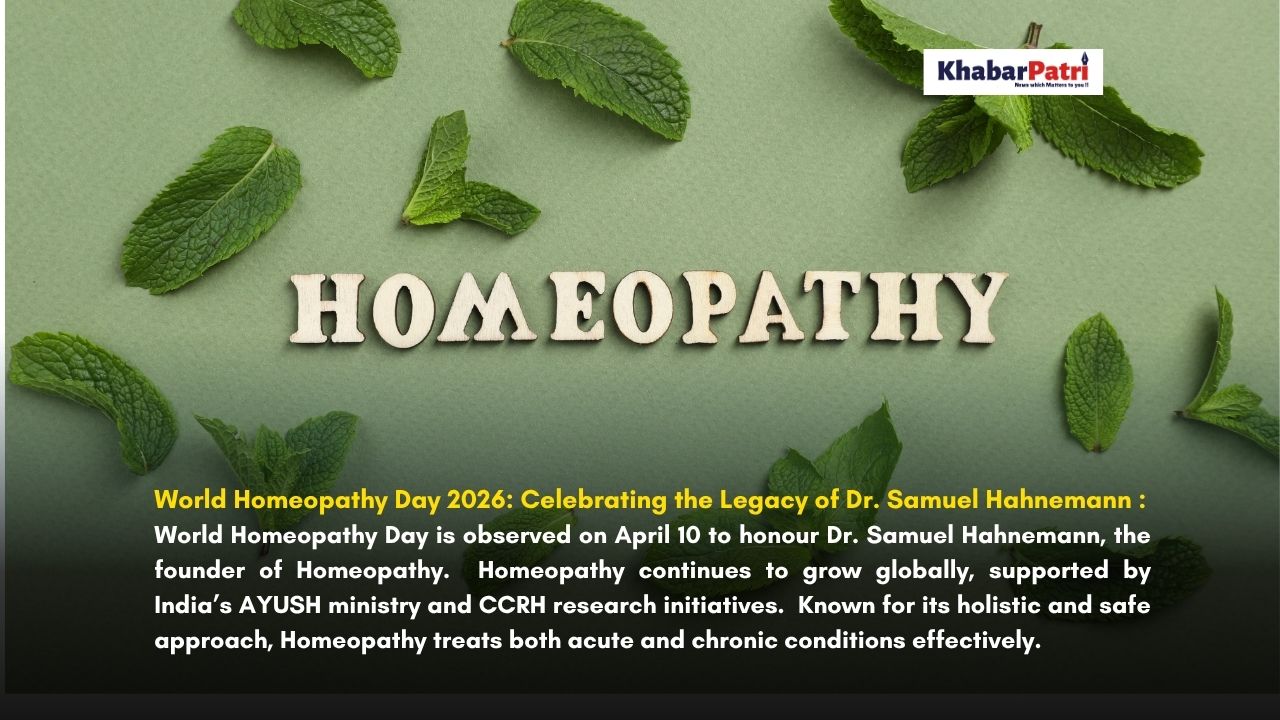
Ahmedabad : World Homeopathy Day is observed annually on April 10 to commemorate the birth anniversary of Dr. Samuel Hahnemann, the founder of Homeopathy. A German physician by training, Dr. Hahnemann initially practiced conventional medicine but grew increasingly dissatisfied with its invasive treatments and lack of lasting cures. This dissatisfaction led him to pioneer a safer, holistic system of healing known today as Homeopathy.
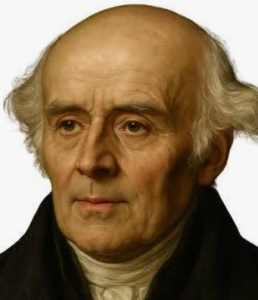
After stepping away from his medical practice, Dr. Hahnemann worked as a translator, utilizing his proficiency in multiple languages. During this period, he developed the foundational principle of Homeopathy — “like cures like” — which became the cornerstone of this alternative medical system. His work introduced the world to a gentle, patient-centric approach to healthcare that continues to be practiced globally.
Today, Homeopathy is among the fastest-growing systems of medicine in India and across the world. The Government of India has actively promoted traditional healthcare systems through the establishment of the Ministry of AYUSH. Additionally, the Central Council for Research in Homoeopathy (CCRH) plays a key role in advancing research and scientific validation of Homeopathic treatments.
One of the major advantages of Homeopathy is its safety profile, with minimal side effects and cost-effective treatments. Medicines are prepared through specialized processes that enhance their therapeutic properties while minimizing toxicity. Typically available as small, sweet pills, Homeopathic remedies are especially preferred for children due to their ease of consumption and palatable taste.
Homeopathy offers treatment for a wide spectrum of ailments, ranging from acute conditions like colds and allergies to chronic and complex diseases. It emphasizes treating the individual holistically rather than focusing solely on symptoms. As a result, detailed case-taking and an in-depth understanding of a patient’s physical, mental, and emotional state are essential for effective treatment.
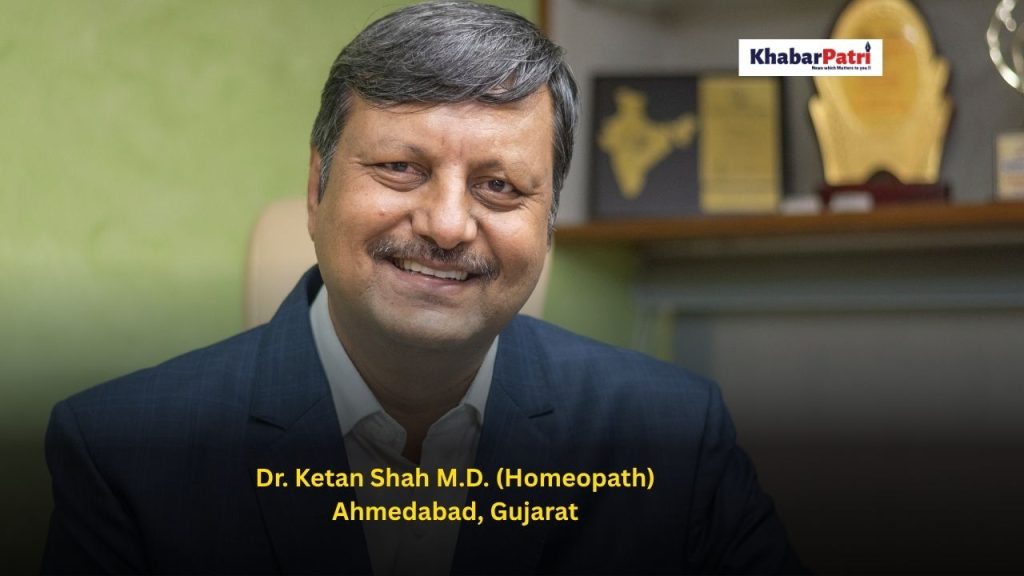
In terms of education, Homeopathy offers a structured academic pathway. Students must complete 12th Science with Biology and qualify for the NEET examination to pursue a Bachelor of Homeopathic Medicine and Surgery (BHMS), which includes 4½ years of study followed by a 1-year internship. Higher education options include a 3-year MD in Homeopathy and even doctoral research (PhD). The curriculum is conducted in English and covers subjects similar to those taught in MBBS programs.
In conclusion, Homeopathy continues to gain recognition as a comprehensive and holistic medical science. With its patient-focused approach and growing institutional support, it remains a significant component of global healthcare systems.